How to Optimize Containers for Outdoor Furniture Shipments
Optimizing container loading is one of the fastest ways to lower landed costs and reduce damage risk for outdoor furniture shipments, especially for bulky garden sets. Well‑designed, space‑efficient products can significantly increase how many pieces fit in a 40 ft container, improving margins for both Vietnam exporters and global buyers.
What is container optimization?
Container optimization means using the available space in a shipping container as efficiently as possible while keeping loads safe and within weight limits. For outdoor furniture, the goal is to ship more sellable sets per container by minimizing “empty air” around chairs, tables and cushions, and by designing products and packaging that stack or nest efficiently.
Why it matters for outdoor furniture buyers
Ocean freight is usually charged by container, so unused cubic metres translate directly into higher cost per set. Furniture is typically voluminous but not extremely heavy, which means capacity is often limited by space, not weight; that is why 40 ft or 40 ft high‑cube containers are standard for furniture and other bulky cargo. By improving how products are packed and loaded, buyers can reduce shipping cost per item, maintain competitive retail prices and lower transport‑related emissions per unit.
Design choices that improve container yields
The first step in container optimization starts at product design. Flat‑pack or knock‑down (KD) furniture, where legs and frames can be disassembled, fits into smaller cartons and allows more sets to load in each container. Similarly, stackable chairs and nesting tables are ideal for outdoor ranges because they deliver full-size comfort but can be stacked vertically to save space in transit and in the warehouse.
For lounge sets, removing legs and packing cushions separately reduces overall volume, compared with shipping fully assembled sofas with cushions in place. Using standardised module sizes across a collection (for example, repeating seat widths and back heights) also helps cartons combine neatly, making it easier for the loading team or software to build stable, high stacks inside the container.
Smart packaging and carton planning
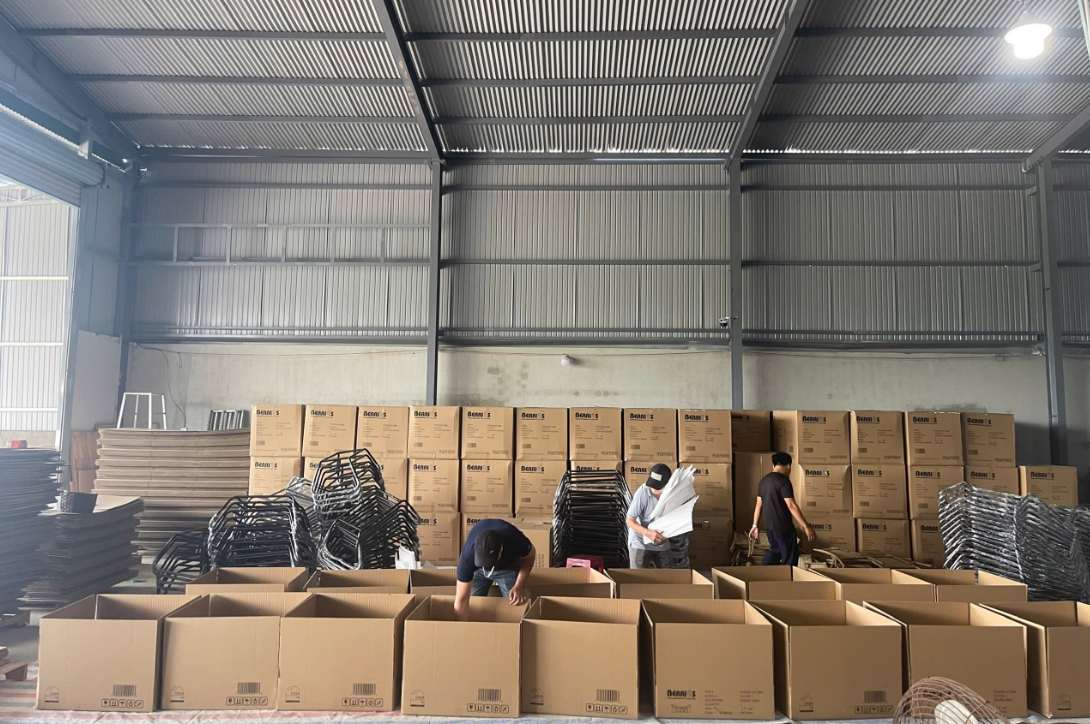
Accurate measurements and thoughtful packaging are essential for good container utilization. Export guides recommend measuring each product’s packed dimensions (height × width × depth) to calculate volume and then designing carton sizes that pack tightly into the container footprint. For many furniture shipments, loose (floor‑loaded) cartons can use space more efficiently than palletised loads, as long as handling and destination warehouse capabilities are considered.
At the same time, packaging must still protect corners, finishes and fabrics from rubbing, compression and moisture during long sea voyages. Using foam, cardboard edge protectors, stretch wrap and strong tape, and labelling cartons clearly, helps prevent damage while allowing boxes to be stacked to the maximum safe height.

Loading techniques: using every cubic metre safely
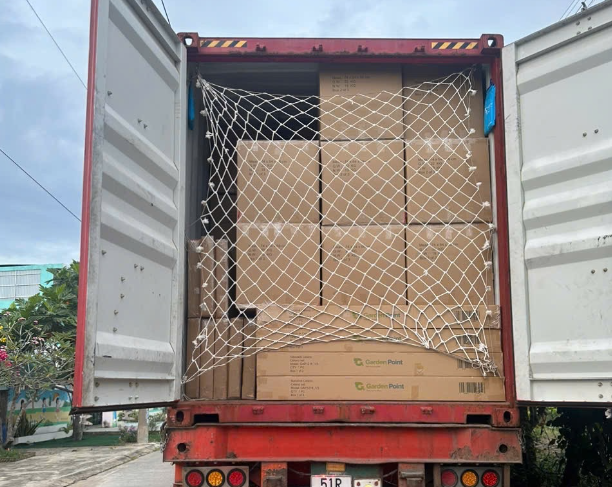
Best practices for container loading emphasise planning the layout instead of placing cartons at random. Heavy items should go on the bottom, lighter cartons on top, with weight distributed evenly from front to back and side to side to avoid tilting or overloading one area. Loaders aim to minimise gaps by interlocking boxes in a “brick” pattern and filling small spaces with dunnage such as wood blocks, airbags or padding to prevent movement.
For outdoor furniture, loaders often use tables, stacked chairs and sofa frames as “platforms” to hold smaller boxes or cushions, filling dead space inside and around larger pieces. This method, combined with careful securing using straps or lashing, helps keep items stable even in rough seas and improves the effective fill rate of each container.
Software and data for better planning
Modern logistics teams increasingly rely on 3D load-planning and container-optimization software to simulate how cartons and items will fit before loading day. These tools use algorithms developed for the three‑dimensional container loading problem to suggest the best stacking order and orientation based on dimensions, weights and stacking limits. Over time, tracking load plans and actual fill rates helps exporters and buyers refine carton sizes, product dimensions and assortments for even better container utilization.
How Casa Craft supports container optimization
As a Vietnam-based outdoor furniture manufacturer, Casa Craft designs products and packaging with container efficiency in mind, from KD table structures and stackable chairs to modular sofa sets that share key dimensions. Working closely with buyers, Casa Craft can adjust set configurations, cushion packing and carton specs to reach target container quantities while maintaining protection and assembly simplicity at destination. For importers, this means more sellable outdoor sets per container, lower landed costs and a more sustainable supply chain.